
Daily Practices
As part of the whole school approach, the wellbeing curriculum includes 7 daily practices for you to incorporate into the day to day routines of school life. Each daily practice is designed to help the children to feel calmer in class, self-sooth, self-regulate and shift into rational thinking brain. They will help develop emotional intelligence and empathy which in turn means the class will feel more connected and together. These practices will also teach the children life-long skills which will help them to manage their own wellbeing and mental health.
You can pick and choose which daily practices you want to adopt and how. For example, you may decide to have specific practices that are mandatory for every class, such as playing calming music after break time and blend this with practices that are specific to each year group.
You should have at least 2 of these daily practices in operation each day as part of the normal school day and expectations.
These daily practices are introduced in the course throughout the modules, especially the therapeutic environment and emotional intelligence module.

Guided meditations
Daily practices are things you incorporate into the day to day routines of school life to support children's wellbeing and emotional intelligence. Here is a collection of resources to help you decide what might be best for your school/ class.
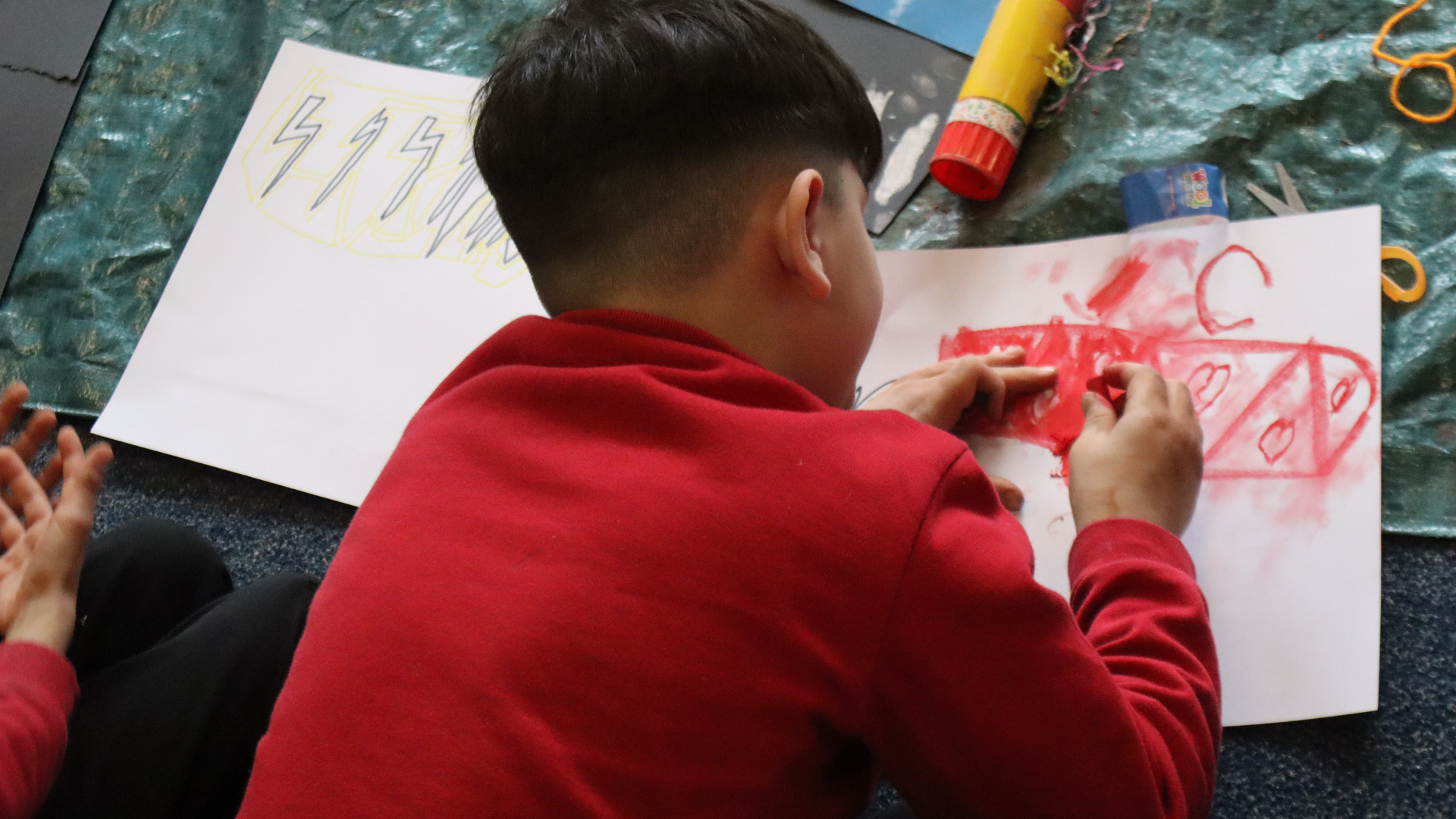
Using calm music
The sessions are to be delivered in a therapeutic, connective way and are aimed at supporting children’s own self-awareness, wellbeing and mental health whilst focusing on important topics that will help inform their personal development as they grow. (KS1-3)

The friendly bear
Play should be an essential offer throughout year groups, regardless of their age. In today's world, children need play more than ever to support their development and mental health and wellbeing. Here is a collection of resources to help inspire you to enhance your practice, including best practice visits to schools who are doing things differently.
The kind and caring jar
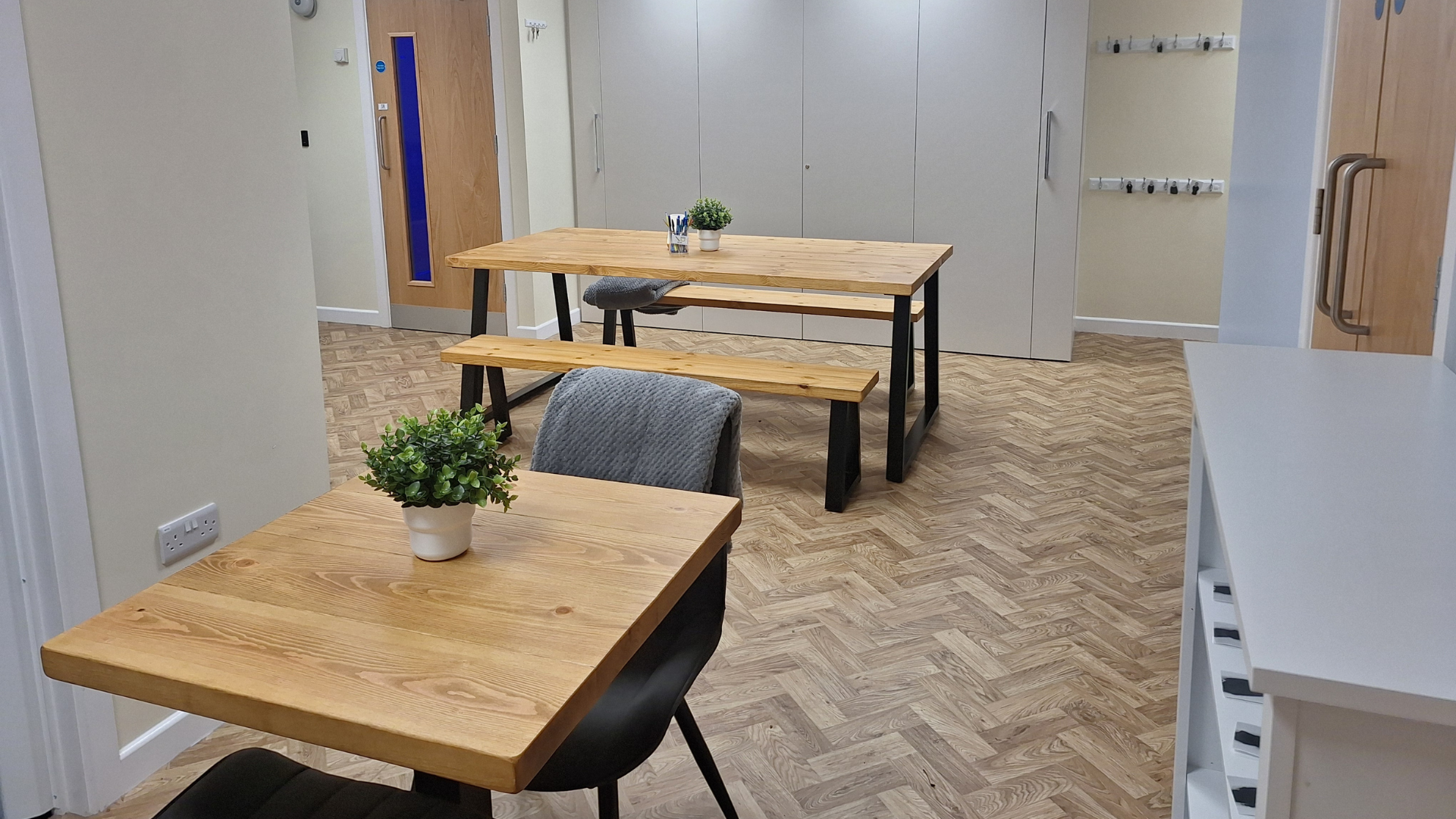
Dining hall environments can cause a plethora of problems and can be where many of the dysregulated behaviours begin. It's time to stand back and ask "is this working?" and if not, what can we do instead? Here is a collection of resources to help inspire you to enhance your practice, including best practice visits to schools who are doing things differently!
Feelings journals
Dining hall environments can cause a plethora of problems and can be where many of the dysregulated behaviours begin. It's time to stand back and ask "is this working?" and if not, what can we do instead? Here is a collection of resources to help inspire you to enhance your practice, including best practice visits to schools who are doing things differently!
Calming colouring
Dining hall environments can cause a plethora of problems and can be where many of the dysregulated behaviours begin. It's time to stand back and ask "is this working?" and if not, what can we do instead? Here is a collection of resources to help inspire you to enhance your practice, including best practice visits to schools who are doing things differently!
The check in register
Dining hall environments can cause a plethora of problems and can be where many of the dysregulated behaviours begin. It's time to stand back and ask "is this working?" and if not, what can we do instead? Here is a collection of resources to help inspire you to enhance your practice, including best practice visits to schools who are doing things differently!
Dance parties
Dining hall environments can cause a plethora of problems and can be where many of the dysregulated behaviours begin. It's time to stand back and ask "is this working?" and if not, what can we do instead? Here is a collection of resources to help inspire you to enhance your practice, including best practice visits to schools who are doing things differently!
